Environmental, Social, and Governance (ESG) Initiatives
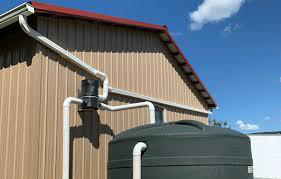
We have implemented harvest rainwater at our Guzium, Trishal, Mymensingh facility, capturing 11,500,000 liters annually, contributing to water conservation and environmental sustainability.
Benefits: Saves 11.5 million liters of groundwater annually. Reduces electricity use, lowering carbon emissions. Helps in fire control, irrigation, and eco-friendly fish
farming.
Impact on Business Growth:
Rainwater harvesting supports our sustainability goals and reduces dependence on groundwater, which
helps mitigate water scarcity concerns. This contributes to the overall efficiency of our operations and
enhances our reputation as an environmentally responsible company, attracting eco-conscious investors
and customers.
Objective:
We have implemented green plantation at dedicate 6 acres of land within our factory premises to green plantation, contributing to environmental restoration.
Benefits: Absorbs CO2, enhances air quality, and reduces carbon emissions. Prevents soil erosion and aids in ozone layer preservation. Impact on Business Growth: Our green plantation efforts align with global sustainability trends and help improve air quality on-site. This contributes to our ESG ratings, fostering stronger relationships with investors and customers who prioritize environmental responsibility.Rooftop Solar Panel: We have implemented a 12 kW rooftop solar power system to reduce energy consumption and harness clean energy for emergency lighting on production floors. Benefits: Reduces electricity consumption by 58 units per day. Saves 320 Taka per day and reduces CO2 emissions by 24 kg per day.
Impact on Business Growth: By investing in renewable energy, we reduce operational costs while enhancing our environmental sustainability profile. This not only cuts down electricity expenses but also improves our ESG standing,
which can increase access to green financing and improve investor interest.
Our recycling unit repurposes polybags used in cotton bale packaging, converting them into polychips (Dana) for further use in yarn packaging.
Benefits: Reduces plastic waste and environmental pollution. Produces 500 kg of reusablepolychips daily, balancing economic and environmental goals.
Impact on Business Growth: This initiative contributes to cost savings by reducing the need for new polybags while promoting environmental sustainability. The reduction in waste and increased recycling directly enhances our ESG performance and appeals to eco-conscious investors.
We have adopted innovative technologies, such as low-water usage dyeing machines and advancedsystems for minimizing water waste.
Benefits: Reduced water consumption by up to 40%, saving 250,000 liters per day. Significant savings in groundwater and energy use.
Impact on Business Growth: Improved energy and water efficiency not only cuts operational costs but also supports our reputation as a sustainable company. These efforts help future-proof our business against resource shortages and regulatory pressures related to water and energy use.
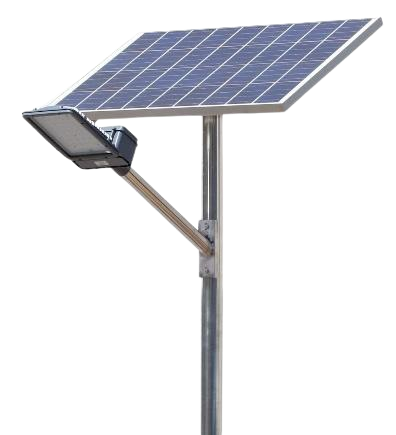
Solar-Based Street Lighting
We will install solar-powered streetlights with a battery backup system for boundary lighting at our
premises.
Benefits: • Utilizes daylight effectively to reduce electricity costs for outdoor lighting. Reduces CO2 emissions by 640 kg per day.
Impact on Business Growth: This energy-efficient lighting solution will reduce operational costs and further enhance our sustainability credentials. It will also improve safety around the factory premises, contributing to a
better working environment for employees.
We plan to recover heat from hot wastewater and use it to maintain optimal water temperatures, saving energy and enhancing efficiency.
Benefits: Saves time, energy, and fuel, enhancing production efficiency. Increases the effectiveness of wastewater treatment.
Impact on Business Growth: By implementing the heat recovery system, we will reduce energy consumption and improve production efficiency. This aligns with our long-term sustainability goals and will contribute
to reducing operational costs, further improving profitability.
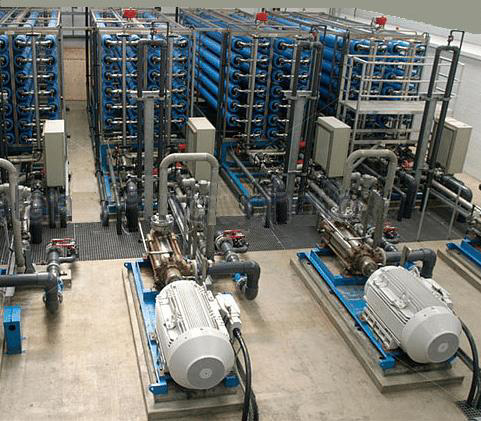
We will implement reverse osmosis and biological treatment to reuse 80% of wastewater, conserving water and reducing environmental impact. y.
Benefits: Reuses 60,000 liters of water per hour, reducing
environmental pollution. Supports sustainable water management practices.
Impact on Business Growth: Reusing wastewater will further reduce our dependence on external water sources and improve sustainability. This will result in long-term cost savings and position Salma Group as a leader in responsible water management.
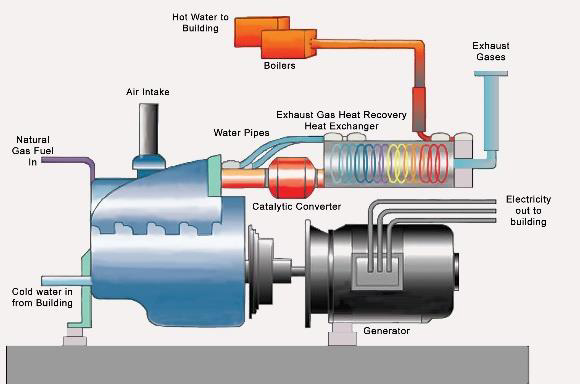
We plan to use exhaust flue gases from our generators to produce steam, reducing electricity consumption and lowering carbon emissions
Benefits: Saves 120 units of electricity per hour. Reduces CO2 emissions by 96 kg per hour. Increases energy efficiency and sustainability.
Impact on Business Growth: Implementing flue gas co-generation will reduce energy costs while supporting our environmental goals. This will enhance operational efficiency and further strengthen our position as a sustainable business,
attracting ESG-conscious investors.
Generator Co-Generation (Jacket Water)
We will utilize hot water from generators to power chillers, providing cooling for the factory while reducing energy consumption.
Benefits: Provides 2300 RT of cooling capacity, improving working conditions. Reduces energy consumption and enhances productivity.
Impact on Business Growth: Using jacket water for cooling will significantly reduce energy consumption, contributing to both cost savings and a more comfortable work environment, which will improve employee satisfaction and productivity
We will replace 60% of our conventional motors with IE4-rated super-premium motors, further enhancing energy efficiency.
Benefits:
• Saves 13,500 units of electricity daily.
• Reduces electricity costs by 144,315 Taka daily.
• Reduces CO2 emissions by 10,800 kg daily.
Status: Future Scope
Impact on Business Growth: By adopting high-efficiency motors, we can further reduce energy costs, enhancing profitability. This will improve our ESG credentials and attract more investors, particularly those with a focus on energy
efficiency.
Objective: We plan to automate the dispensing of chemicals in our dyeing processes to improve operational efficiency and reduce chemical waste.
Benefits: Reduces manpower requirements and time. Improves product quality and consistency.
Status: Future Scope
Impact on Business Growth: Automating the dispensing of chemicals will enhance production efficiency, reduce waste, and improve product quality. This will boost profitability, reduce operational costs, and enhance our reputation for
innovation and sustainability.